
Renovating a commercial space can breathe new life into your business operations. The right updates help you serve customers better, reduce cooling costs, and create an environment that reflects your brand image. But jumping into a commercial renovation without proper preparation can lead to budget overruns, extended timelines, and frustrated customers who can’t access your location.
If you understand what lies ahead, you can make smarter decisions that keep your doors open and your team productive.
Planning Around Your Business Operations
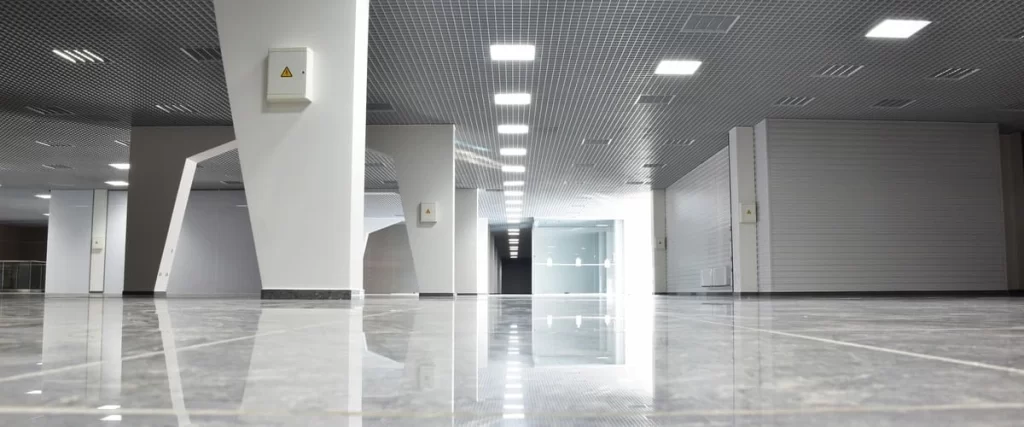
Your business needs to function during construction, or at least minimize the downtime. Some companies can afford to close for a few weeks. Others, like a medical facility or retail storefront, rely on daily customer access to survive.
Before signing any contracts, talk with contractors who specialize in commercial projects. Ask how they handle occupied spaces. Can they work in phases? Will they limit noise during business hours? A strong communication system between you and the construction team keeps everyone informed when disruptions occur.
Setting up temporary service areas might help you continue serving customers while major work happens in other sections. Think about how customers will navigate your space during construction. Clear signage and safe walkways matter more than you’d expect.
Budget and Payment Schedule Realities
A commercial project costs more per square foot than residential work. Materials need to meet different standards, and labor rates reflect the expertise required for commercial real estate. You’ll also need to factor in potential permit fees, inspections, and any upgrades to electrical systems that current building codes require.
Get multiple detailed quotes. Compare them line by line rather than just looking at the total. The lowest bid sometimes means corners get cut, and quality work costs what it costs.
Most contractors ask for a payment schedule tied to project milestones. You might pay a percentage upfront, another portion when framing is complete, and the final amount after inspections pass. Keep some funds in reserve for unexpected issues like structural limitations that only become visible once walls open up.
Local Building Codes and Permits
Fords has specific local regulations that govern commercial construction. Your contractor should know these requirements inside out, but you’re ultimately responsible for making sure your commercial property meets all standards.
Local building codes cover everything from fire safety to accessibility. Electrical systems in commercial spaces face stricter requirements than residential ones. HVAC installations need to handle higher capacity and meet energy efficiency benchmarks. Even something as simple as a fresh coat of paint in certain areas might require specific fire-retardant products.
Pulling necessary permits takes time. Some projects need multiple approvals from different departments. Start this process early so construction doesn’t stall while you wait for paperwork.
Energy Efficient Systems Save Money Long Term
Old HVAC equipment, outdated lighting, and poor insulation drain your budget every month. A full-scale renovation gives you the chance to improve energy efficiency across your entire commercial space.
Modern energy-efficient systems cost more upfront but pay for themselves through lower utility bills. LED lighting uses a fraction of the power that old fluorescent fixtures consume. Smart thermostats adjust temperatures based on occupancy, so you’re not cooling an empty building overnight.
Talk to your contractor about insulation upgrades, window replacements, and sealing air leaks. These improvements might not look dramatic, but they have a real impact on your bottom line. Some local utility companies offer rebates for businesses that invest in energy-efficient upgrades.
Choosing Contractors Who Understand Commercial Work
Residential and commercial construction require different skill sets. A contractor who builds beautiful homes might lack the expertise needed for a medical facility or retail storefront. Commercial projects involve complex electrical systems, specialized HVAC requirements, and stricter safety standards.
Look for contractors with proven experience in projects similar to yours. Ask for references from other business owners. Visit completed job sites if possible. You want a team that delivers quality work on schedule and can handle the unique challenges of commercial real estate.
A hands-on approach from the project manager makes everything smoother. Regular site visits, clear communication about progress, and quick responses to questions all signal that you’re working with professionals who take your business goals seriously.
Design Choices That Enhance Customer Experience

Your space tells potential customers who you are before anyone speaks. Worn flooring, outdated fixtures, or a cramped layout can turn people away. A well-planned renovation creates an environment where customers want to spend time.
Think about traffic flow. Can people move easily through your space? Are high-traffic areas durable enough to handle daily wear? Does the lighting make products or services look their best?
Design should support how your team works, too. If staff members struggle with a poorly organized back office or insufficient storage, that friction affects service quality. A renovation can solve these problems while also refreshing your customer-facing areas.
Timing and Flexibility
Construction schedules slip. Deliveries arrive late. Inspectors find issues that need addressing. Build flexibility into your timeline and communicate honestly with customers about what to expect.
Some businesses benefit from renovating during slower seasons when reduced customer access causes less damage to revenue. Others find that spreading work across multiple phases keeps operations running, even if the overall project takes longer.
Your contractor should provide regular updates and adjust the schedule when problems arise. Plans change, but you should never feel left in the dark about what’s happening on your property.
Key Considerations Before Breaking Ground
Every commercial renovation brings unique challenges, but certain questions apply across the board:
- How will this affect daily operations? Map out customer flow, employee workspace, and any temporary adjustments needed.
- What’s the realistic timeline? Factor in permits, material lead times, and potential weather delays.
- Are there hidden costs? Older buildings often surprise owners with outdated wiring, asbestos, or structural issues that inflate budgets.
- Who handles inspections? Make sure your contractor coordinates with local authorities and keeps all documentation organized.
Careful planning before you start can prevent most headaches down the road. Rush into a renovation project without preparation, and you’ll spend more time and money fixing mistakes.
Getting Professional Support
Reading about commercial renovation helps you understand the process, but actually managing one while running your business? That’s a different challenge entirely. Between juggling local regulations, coordinating with multiple trades, maintaining customer access, and keeping your team productive, the stress adds up quickly.
Maybe you’d rather focus on what you do best while experienced professionals handle the construction details. A contractor who understands commercial spaces can guide you through every decision, manage the timeline, and deliver results that support your business goals. You get a renovated space without the constant worry of what might go wrong next.
If you’re ready to enhance your property in Fords, reach out to a commercial general contractor that specializes in these projects. Call us at (732) 913-0742 or message us here to discuss your vision. We’ll help you create a space that serves your customers better and supports your business for years to come.