
Building a home on clay soil in Middlesex County presents challenges that many homeowners discover too late. Clay soils behave differently from sand or gravel, and foundations that work perfectly in other soil types can develop serious problems when dealing with expansive clay. The ground beneath your home shifts, swells, and contracts with moisture changes, putting constant pressure on foundation walls.
Understanding how clay soil foundation systems need to work differently makes the difference between a stable home and one requiring costly repairs. Middlesex County has significant areas with expansive clay soil, which means builders and homeowners need specialized knowledge to protect their structures long term.
How Clay Soil Affects Your Foundation
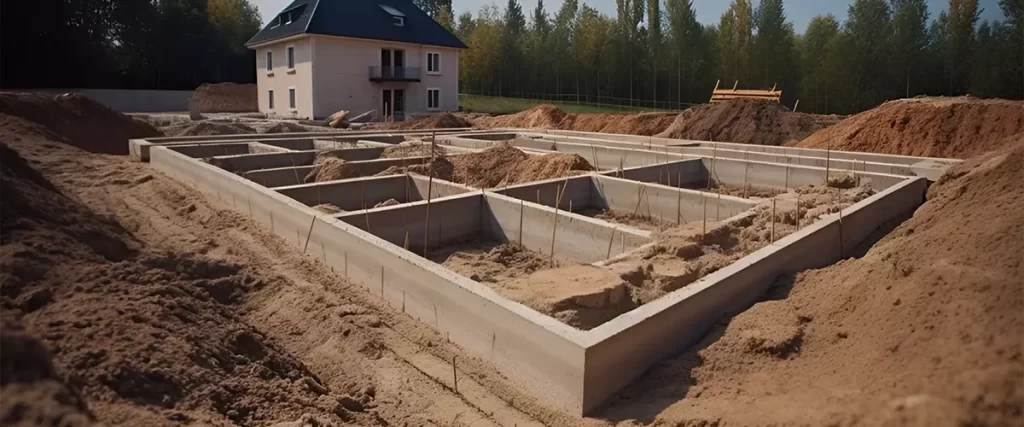
Clay soil expands when wet and shrinks during dry periods. This cycle happens throughout the year, with heavy rains causing the ground to swell and the dry season leading to contraction. Each movement puts stress on your home’s foundation, and over time, even small shifts accumulate into foundation damage.
The tiny particles that make up clay hold moisture differently than other soil types. High moisture retention means water stays in clay soil longer after rainfall. When clay finally dries out, it can pull away from foundation walls, creating gaps that allow uneven settling. Expansive soils cause more foundation issues than almost any other ground condition.
Different soil types react to your home’s weight in distinct ways. Sand and gravel drain quickly and compress evenly. Clay soils compress slowly and unevenly, especially when moisture content fluctuates. An active clay layer beneath your foundation can shift horizontally or vertically, leading to cracks in walls, uneven floors, and doors that suddenly stick.
Recognizing Foundation Problems Early
Foundation movement shows up in various ways. Cracks appearing in drywall, especially around door frames and corners, often signal foundation issues. Floors that slope or feel uneven when you walk across them indicate settling. Windows and doors that become difficult to open suggest the structure has shifted.
Some signs are more subtle. Small hairline cracks in concrete might not seem urgent, but they let water penetrate, which accelerates damage in clay soil conditions. Water accumulation near your foundation after storms points to poor drainage, which directly affects how much your clay soil expands.
Regular inspections help catch problems early. Walk around your home after heavy rains and look for water pooling near the foundation. Check your crawl space or basement for moisture. Run your hand along the foundation walls to feel for cracks. Catching structural damage early reduces repair costs significantly.
Foundation Options for Clay Soil

Slab Foundations
Slab foundations sit directly on the ground after soil preparation. In areas with expansive clay, slabs need reinforcement to handle soil movement. The design typically includes extra steel reinforcement and sometimes post-tension cables that help the slab flex slightly without cracking.
Proper grading matters immensely for slabs on clay. Water needs to drain away quickly, which means the ground should slope away from the house on all sides. Without good drainage, water saturates the clay soil, leading to expansion that can lift portions of the slab unevenly.
Foam insulation placed under slabs serves multiple purposes. It provides thermal protection and acts as a buffer between the foundation and the expansive clay layer below. Some builders use specialized materials that compress under pressure, allowing the clay to expand without directly pushing on the concrete.
Pier and Beam Foundations
Pier and beam systems work by drilling deep shafts below the active clay layer into stable soil underneath. Concrete piers extend down until they reach ground that doesn’t shift with moisture changes. The home sits on beams supported by these piers, which means soil expansion at the surface has minimal effect on the structure.
This foundation type handles soil movement better than slabs in many clay soil situations. The crawl space beneath allows for ventilation and provides access to plumbing and electrical systems. Floor joists rest on the beams, and you can level the home later if minor settling occurs by adjusting the piers.
Cost factors into the decision. Pier and beam foundations typically cost more upfront than slabs, but they offer advantages in areas where expansive clay soils cause frequent problems. The best solution depends on your specific soil composition and budget.
Grade Beam Foundations
Grade beam foundation systems combine elements of both piers and continuous footings. Piers drilled into stable soil support grade beams that run around the perimeter and sometimes through the interior. This design distributes the home’s weight efficiently while minimizing contact with expansive clay near the surface.
The grade beams actually hang between the piers rather than resting on the ground continuously. This allows clay soil expansion underneath without lifting the beams. Engineers design these systems specifically for challenging soil properties, making them excellent choices when soil testing reveals highly expansive conditions.
Soil Testing and Site Preparation
Soil testing before construction identifies potential problems. A geotechnical engineer takes samples at various depths to analyze clay content, moisture levels, and expansion potential. The soil composition report tells builders how much the ground might move and recommends foundation design modifications.
Some sites have multiple soil types at different depths. You might have expansive clay near the surface with stable soil underneath. Other properties have deep clay layers that require piers extending 15 feet or more to reach solid ground. Testing removes the guesswork.
Site preparation often includes modifying the soil around the foundation area. Removing highly expansive clay and replacing it with gravel or sand improves drainage and reduces direct contact between problematic soil and your foundation. This process, combined with proper compaction, creates a more stable base.
Moisture Control and Drainage Systems
Managing moisture in clay soil determines long-term foundation stability long term. Drainage systems that move water away from your home reduce the wet-dry cycles that cause expansion and contraction. French drains, surface grading, and proper gutter systems all work together.
The ground immediately around your foundation needs careful attention. Proper grading means the soil slopes away at least six inches over ten feet. This simple measure prevents water accumulation during heavy rains, which protects against soil erosion near foundation walls.
Trees and shrubs affect moisture levels, too. Roots pull water from the ground, which can cause clay to dry out and shrink away from your foundation. Large trees planted too close to your home create uneven moisture patterns. Some homeowners plant strategically to help stabilize moisture levels, while others maintain distance to avoid root-related foundation issues.
Gutters and downspouts matter more on clay soil than many people realize. If water pours off your roof directly onto the ground next to your foundation, it saturates the clay and causes expansion. Extending downspouts at least six feet from the foundation helps, and some properties benefit from underground drainage pipes that carry water even farther away.
Foundation Repair on Clay Soil
When foundation damage occurs on clay soil, several repair methods exist. Steel piers driven to bedrock can stabilize homes that have settled. Helical piers screw into the ground and work well when deep stable soil is accessible. Slab jacking involves pumping material underneath concrete to lift and level it.
The best defense involves prevention. Once foundation movement begins, repairs become expensive and may need repeating if you don’t address the underlying soil moisture problems. Regular maintenance of drainage systems costs far less than foundation repair.
Monitoring helps you catch issues early. If you notice new cracks or doors starting to stick, document them with photos and dates. Foundation issues typically worsen gradually, and tracking changes helps you decide when a professional evaluation makes sense.
Working with Middlesex County’s Unique Challenges
Middlesex County’s clay soil creates conditions that require local expertise. Builders familiar with the area understand which foundation type works best for different neighborhoods and how to design drainage systems that handle local rainfall patterns. Experience with regional soil properties makes a real difference in foundation performance.
Different areas within the county have varying clay content and depth of expansive soil. Some neighborhoods have relatively stable conditions, while others struggle with severe damage to foundations built without proper preparation. Local knowledge helps identify these differences and plan accordingly.
Building codes address some foundation requirements, but they represent minimum standards. The best foundation for your specific lot might exceed code requirements, especially if soil testing reveals particularly challenging conditions. Working with professionals who understand both the regulations and the practical realities of building on clay soil protects your investment.
Let Professionals Handle Your Foundation
Reading about clay soil expansion, drainage systems, pier depths, and moisture control probably makes building a home feel overwhelming. The technical requirements for foundation stability on expansive soils demand expertise that goes beyond typical construction knowledge. One miscalculation in soil testing interpretation or drainage design can lead to problems that cost tens of thousands to repair.
Rather than worry about active clay layers, moisture content fluctuations, and which foundation type suits your specific soil composition, work with builders who specialize in Middlesex County’s challenging conditions. Experienced professionals know how to interpret soil testing results, design foundations that handle expansion and contraction, and create drainage systems that protect your home for decades.
We understand the unique challenges that clay soil presents and have built homes throughout Middlesex County on various soil types. Our custom house builders handle everything from initial soil testing through final grading, making sure your foundation remains stable regardless of weather patterns or seasonal moisture changes.
Ready to build your home on solid ground? Call us at (732) 913-0742 or message us here to discuss your project and get expert guidance on foundation options for your property.